
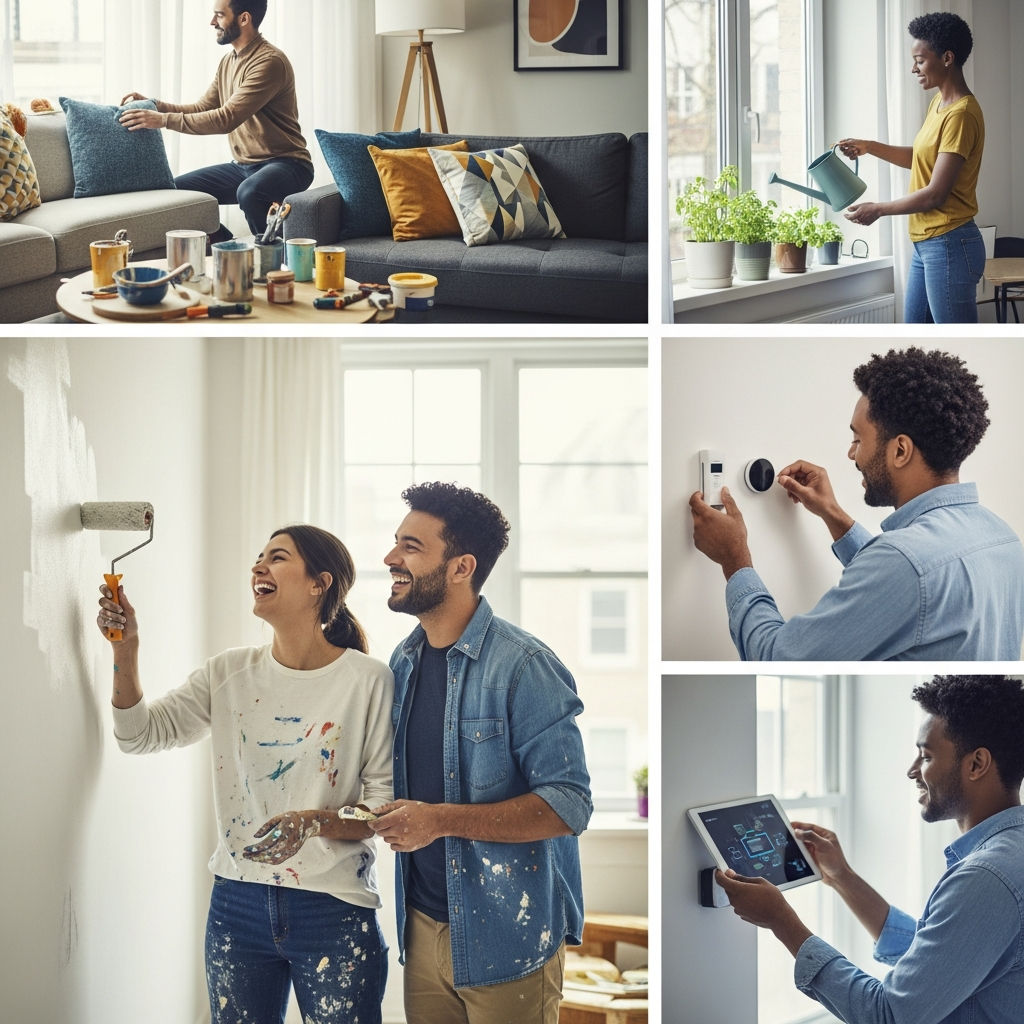
Is Home Improvement Still Relevant? 24 Facts About the Modern Remodeling Market
In an era of fluctuating interest rates and a volatile real estate market, homeowners often find themselves at a crossroads. Is it better to sell and move, or stay and renovate? The question of whether home improvement is still relevant in 2024 and beyond is more than just a matter of aesthetics; it is a financial, emotional, and environmental consideration. Despite economic shifts, the home improvement industry continues to thrive, evolving to meet the needs of a new generation of homeowners.
The short answer is yes: home improvement is more relevant than ever. From boosting property value to adapting to the “work-from-home” lifestyle, the reasons to pick up a hammer or hire a contractor have shifted. Below, we explore 24 facts that prove home improvement remains a vital part of modern living.
The Financial Impact of Renovating
- 1. High Return on Investment (ROI): While not every project pays back 100%, minor kitchen remodels and garage door replacements consistently see returns of 70% to 100% upon resale.
- 2. Curb Appeal Increases Value: According to real estate studies, landscaping and exterior improvements can increase a home’s perceived value by up to 7% before a buyer even steps inside.
- 3. Remodeling vs. Moving: With high mortgage rates, many homeowners are choosing to “love it or list it.” Improving an existing home is often more cost-effective than taking on a new, higher-interest mortgage.
- 4. Home Equity is Peaking: American homeowners currently hold record-breaking amounts of home equity, providing the necessary capital for major renovations via HELOCs or home equity loans.
- 5. Lower Utility Bills: Energy-efficient upgrades, such as insulation and window replacements, can reduce monthly utility costs by 15-30%, making the home cheaper to maintain over time.
- 6. Insurance Savings: Upgrading dated electrical systems, plumbing, or roofing can often lead to lower homeowners’ insurance premiums by reducing the risk of fire or water damage.
Lifestyle and Wellness Trends
- 7. The Permanence of the Home Office: With hybrid work becoming a standard, dedicated, soundproofed home offices have transitioned from a luxury to a necessity in modern floor plans.
- 8. Mental Health and Environment: Studies in environmental psychology show that “biophilic design”—bringing plants, natural light, and organic materials indoors—significantly reduces stress and anxiety.
- 9. The “Staycation” Movement: Since 2020, there has been a massive surge in outdoor living improvements, such as decks, fire pits, and outdoor kitchens, as people prioritize recreation at home.
- 10. Multi-Generational Living: As housing costs rise, more families are renovating basements or adding ADUs (Accessory Dwelling Units) to accommodate aging parents or adult children.
- 11. Universal Design for Aging in Place: Home improvement is becoming a tool for longevity. Adding walk-in tubs, wider doorways, and smart lighting allows seniors to remain in their homes safely.
- 12. Customization for Personal Joy: Beyond resale value, “joy scores” (a metric used by the National Association of Realtors) show that 92% of homeowners have a greater desire to be at home after a renovation.
Sustainability and Technology
- 13. The Rise of “Smart” Homes: Home improvement now includes digital infrastructure. Smart thermostats, leak detectors, and automated security systems are standard requirements for modern buyers.
- 14. Sustainable Material Demand: There is a growing market for reclaimed wood, recycled glass countertops, and bamboo flooring as consumers become more eco-conscious.
- 15. Solar Power Integration: Federal tax credits and rising energy costs have made solar panel installation one of the most relevant “green” home improvements of the decade.
- 16. Water Conservation Tech: Low-flow toilets and smart irrigation systems are becoming essential in drought-prone regions, adding long-term viability to a property.
- 17. Indoor Air Quality: Modern renovations often focus on upgrading HVAC systems with HEPA filtration and using low-VOC (Volatile Organic Compound) paints to ensure a healthy living environment.
- 18. EV Charging Stations: As the automotive industry shifts toward electric vehicles, installing a Level 2 charging station in the garage is becoming a high-priority home upgrade.
Market Shifts and the DIY Revolution
- 19. The Social Media Influence: Platforms like TikTok, Pinterest, and Instagram have democratized design, making high-end aesthetics accessible to the average DIYer.
- 20. Millennial Homeownership: Millennials now make up the largest share of homebuyers, and they are more likely to purchase “fixer-uppers” to personalize their space and build sweat equity.
- 21. Professional Contractor Shortages: The high demand for home improvement has led to a shortage of skilled tradespeople, making DIY skills more valuable and relevant than in previous decades.
- 22. Virtual Reality Planning: Home improvement is entering the metaverse. Homeowners can now use AR and VR tools to visualize a renovation before spending a single dollar on materials.
- 23. Short-Term Rental Optimization: For those using platforms like Airbnb, specific home improvements (like “Instagrammable” feature walls or hot tubs) directly correlate to higher booking rates.
- 24. Resilience Against Climate Change: Home improvement is increasingly focusing on “hardening” homes—installing impact-resistant windows or fire-resistant siding to survive extreme weather events.
Why Home Improvement is Not Just a Trend, But a Strategy
Many skeptics argue that with the rising cost of lumber and labor, home improvement might lose its luster. However, the facts suggest the opposite. Home improvement has evolved from a hobby into a strategic financial and lifestyle tool. In a competitive market, a house that has been updated with modern efficiencies and aesthetic touches will always outperform a neglected property.
The Shift from Aesthetic to Functional
Years ago, home improvement was largely about “flipping”—making a quick profit by updating the kitchen and bathrooms. Today, the focus has shifted toward functionality and sustainability. Homeowners are looking for ways to make their spaces work harder for them. This means creating multi-functional rooms that can serve as a guest bedroom, an office, and a workout space all at once.

The Power of “Sweat Equity”
With the abundance of online tutorials and easy-to-use tools, the barrier to entry for home improvement has dropped. Homeowners who can perform even minor tasks—like tiling a backsplash or installing a smart thermostat—can significantly increase their home’s value without the high overhead of professional labor. This “sweat equity” remains one of the most effective ways for middle-class families to build wealth.
Conclusion: The Future of the Industry
Is home improvement still relevant? Absolutely. As we move further into the 2020s, our homes are no longer just places where we sleep; they are our offices, our gyms, our sanctuaries, and our most significant financial assets. The industry is moving toward a future defined by smarter technology, greener materials, and more personalized spaces.
Whether you are looking to increase your home’s market value, reduce your carbon footprint, or simply create a more comfortable environment for your family, home improvement remains a powerful and necessary pursuit. The 24 facts listed above prove that as long as we value our living spaces, the drive to improve them will never go out of style.