Architectural Elegance Unveiled: Exploring the Intricacies of L-Shaped House Designs

Architectural Elegance Unveiled: Exploring the Intricacies of L-Shaped House Designs

In the realm of architectural innovation, the L-shaped house design stands as a testament to the marriage of form and function. This unique configuration not only adds a distinctive flair to the visual landscape but also offers practical advantages in terms of space utilization and aesthetic versatility. Let’s delve into the intricacies of L-shaped house designs, unraveling the charm and functionality they bring to residential architecture.

Aesthetic Poetry: The Visual Appeal of L-Shaped Designs

The defining feature of L-shaped house designs lies in their ability to create visually captivating structures that often defy the conventional norms of architectural symmetry. The elongated arms of the “L” can be manipulated to frame outdoor spaces, embrace natural landscapes, and play with perspectives that engage the observer in aesthetic poetry.

![L-Shaped House](insert image link here)

Spatial Harmony: Utilizing Outdoor Spaces

One of the distinctive advantages of L-shaped designs is their proficiency in crafting seamless transitions between indoor and outdoor spaces. The open end of the “L” often leads to a spacious backyard, courtyard, or garden area. This not only enhances the living experience but also invites nature into the architectural narrative.

Privacy Personified: Courtyard Configurations

L-shaped designs frequently embrace the concept of a central courtyard, nestled within the arms of the structure. This architectural approach ensures a harmonious blend of privacy and openness, creating an intimate oasis shielded from external views while maintaining a connection with the natural surroundings.

Daylight Dance: Maximizing Natural Light

Strategic placement of windows along the elongated arms of the “L” allows for the optimum capture of natural light throughout the day. This not only reduces the reliance on artificial lighting but also contributes to an energy-efficient and environmentally conscious design.

Functional Zoning: Separating Spaces with Grace

The L-shaped configuration lends itself well to the concept of functional zoning. Different wings of the house can be designated for specific purposes, such as living areas, sleeping quarters, and recreational spaces. This allows for a logical organization of the living environment, enhancing both privacy and convenience.

Versatile Elevation: Playing with Angles and Heights

Architects often capitalize on the versatility of L-shaped designs by playing with various angles and heights. This dynamic interplay adds a layer of complexity to the façade, creating a visually stimulating elevation that captures attention and elevates the overall architectural aesthetics.

Adaptable to Topography: Embracing Varied Landscapes

L-shaped house designs showcase a remarkable adaptability to different topographies. Whether perched on a hill, nestled in a valley, or situated on flat terrain, the versatile nature of the “L” allows architects to embrace the inherent beauty of the landscape while creating a structurally sound and aesthetically pleasing residence.

Modern Minimalism: Clean Lines and Sleek Design

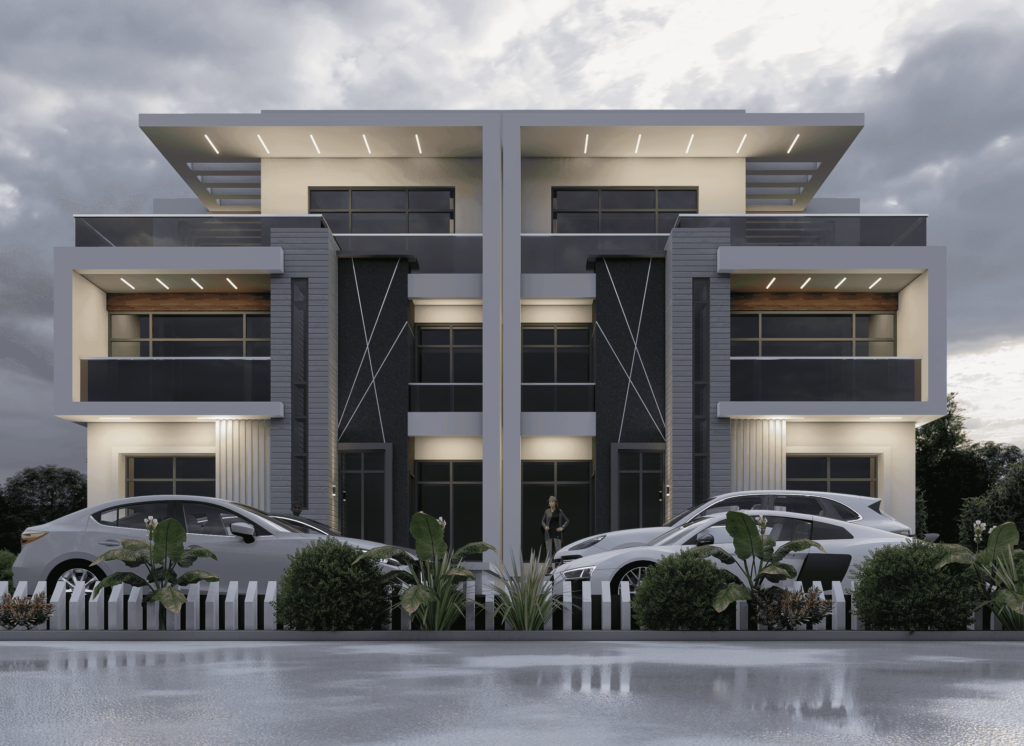
In the realm of contemporary architecture, the L-shaped house often adopts a minimalist approach. Clean lines, a simple color palette, and the absence of unnecessary ornamentation contribute to a sleek and modern design that resonates with those who appreciate the elegance of simplicity.

![Modern L-Shaped House](insert image link here)

Sustainability in Design: Green Spaces and Energy Efficiency

L-shaped designs provide ample opportunities for integrating sustainable features into the architecture. Green roofs, energy-efficient windows, and the incorporation of eco-friendly materials contribute to a residence that is not only aesthetically pleasing but also aligned with principles of environmental responsibility.

Artful Interiors: Embracing Light and Airiness

The interior spaces of an L-shaped house are often characterized by an artful interplay of light and airiness. Expansive windows, strategically positioned along the arms of the “L,” allow for uninterrupted views and create an atmosphere of openness within the living spaces.

Conclusion: Where Form Meets Function with Grace

In the grand tapestry of architectural possibilities, L-shaped house designs emerge as a harmonious blend of form and function. From their visually striking exteriors to the thoughtful utilization of space and the seamless integration with nature, these designs represent a testament to the artistry and ingenuity of modern architecture. The “L” shape, once a mere letter in the alphabet, becomes a canvas for architectural expression, where form meets function with grace and sophistication.
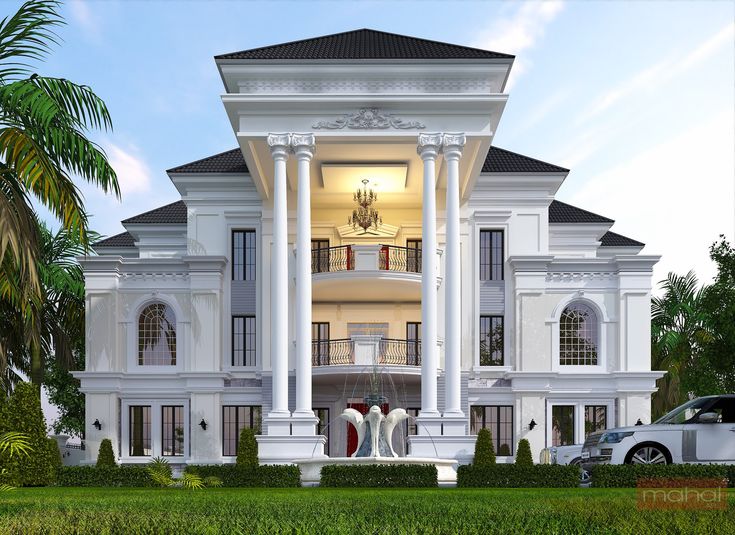
Elegance Unveiled: A Deep Dive into Exquisite House Door Designs

Elegance Unveiled: A Deep Dive into Exquisite House Door Designs

In the realm of architectural aesthetics, the house door design stands as the gateway to a world of artistic expression and functional elegance. Beyond its utilitarian purpose, a door becomes a canvas for craftsmanship, a statement of style, and a herald of what lies beyond. Let’s unravel the intricacies of house door design, exploring the diverse styles that adorn entrances with poise and personality.

Craftsman Charm: Artistry in Wood

Craftsman-style doors, marked by their sturdy construction and intricate details, epitomize timeless elegance. The warm embrace of mahogany or oak, coupled with ornate woodwork, creates a sense of craftsmanship that transcends eras. These doors often feature decorative panels, sidelights, and transoms, adding a touch of sophistication to the entrance.

![Craftsman Style Door](insert image link here)

Contemporary Minimalism: Sleek Lines and Glass Accents

In the realm of modern architecture, the trend leans towards contemporary minimalism. Clean lines, geometric shapes, and the integration of glass panels define this style. Frosted or textured glass adds a touch of privacy without sacrificing natural light, creating a harmonious balance between functionality and aesthetics.

Victorian Opulence: Intricate Details and Stained Glass

Victorian-era doors are a testament to opulence and intricate detailing. Elaborate carvings, stained glass insets, and ornamental handles transport us to an era of grandeur. The play of vibrant colors in stained glass against rich wood tones adds a touch of drama to the entrance, creating a lasting impression.

Mediterranean Flair: Arched Elegance and Iron Accents

Mediterranean-inspired doors often feature arched designs that exude a sense of old-world charm. Iron accents, such as decorative grilles and scrollwork, contribute to the door’s visual appeal. These doors not only protect but also evoke the ambiance of a sun-soaked villa on the Mediterranean coast.

![Mediterranean Style Door](insert image link here)

Asian Influence: Zen Doors and Sliding Panels

Drawing inspiration from Asian design principles, doors with a Zen aesthetic embrace simplicity and functionality. Sliding panels, shoji screens, and the use of natural materials create an atmosphere of tranquility. These doors embody a seamless blend of design and cultural influences.

Rustic Retreat: Reclaimed Wood and Wrought Iron

For those seeking a connection with nature, rustic doors crafted from reclaimed wood become an embodiment of raw beauty. The imperfections in the wood, complemented by wrought iron hardware, tell a story of resilience and authenticity. These doors are a nod to the charm of the countryside.

Futuristic Fascination: High-Tech Smart Doors

In the age of technology, house door design has embraced innovation. High-tech smart doors, equipped with biometric security, keyless entry, and integrated cameras, redefine the concept of home security. These doors seamlessly blend functionality with futuristic sophistication.

![Smart Door](insert image link here)

Eclectic Fusion: Mixing Materials and Styles

The beauty of house door design lies in the freedom to blend styles and materials. Doors that marry wood with glass, metal with stone, create an eclectic fusion that defies categorization. This approach allows homeowners to express their individuality and create a door that is truly unique.

Art Deco Allure: Geometric Patterns and Elegance

The Art Deco movement, known for its geometric patterns and sleek lines, has left an indelible mark on house door design. Doors inspired by Art Deco often feature bold, angular designs, mirrored insets, and polished metal accents. These doors exude a sense of glamour and sophistication.

Transitional Harmony: Balancing Tradition and Modernity

Transitional door designs strike a harmonious balance between tradition and modernity. Clean lines meet subtle details, creating doors that bridge the gap between classic and contemporary. These doors seamlessly adapt to diverse architectural styles.

Conclusion: The Portal to Personal Style

In the vast tapestry of house door design, each entrance is a portal to personal style and architectural storytelling. Whether it’s the timeless charm of Craftsman doors, the futuristic allure of smart entrances, or the rustic embrace of reclaimed wood, the design choices reflect the homeowner’s taste and aspirations. The house door, often underestimated in its significance, stands as a symbol of the dwelling’s character, inviting guests to step into a world where elegance and functionality coexist in perfect harmony.

Exploring the Architectural Marvels: House Designs in Nigeria

Exploring the Architectural Marvels: House Designs in Nigeria

In the kaleidoscope of cultures and landscapes that define Nigeria, the diversity of house designs in Nigeria emerges as a captivating reflection of tradition, innovation, and modernity. From the bustling streets of Lagos to the serene landscapes of the Niger Delta, each region contributes to a unique architectural narrative that is as dynamic as the nation itself.

Traditional Splendor in Northern Nigeria

In the vast expanse of Northern Nigeria, traditional Hausa architecture reigns supreme. Distinguished by its intricate mud walls and steep conical roofs, these houses stand as testaments to craftsmanship passed down through generations. The use of local adobe materials not only ensures natural insulation but also blends seamlessly with the arid landscapes of the region.

![Traditional Hausa House](insert image link here)

Southern Elegance: The Igbo Architectural Palette

In the southeastern part of Nigeria, the Igbo people weave an architectural tapestry that harmonizes with the lush greenery. Traditional Igbo houses, with their prominent gables and use of vibrant colors, exhibit a unique design philosophy. The integration of verandas serves a dual purpose, offering shade from the tropical sun and creating communal spaces for social interactions.

Coastal Influences in Southwest Nigeria

Moving towards the southwest, the Yoruba architectural identity unfolds. Influenced by the proximity to the coast, Yoruba houses often feature airy designs with spacious courtyards and large windows that capture the coastal breeze. Ornate wooden carvings adorn the entrances, telling stories of the Yoruba cultural heritage.

Urban Chic: Lagos and Modernity

In the bustling metropolis of Lagos, a different architectural narrative takes shape. Modern house designs in Lagos often embrace sleek lines, large windows, and innovative use of space. High-rise apartments and contemporary villas redefine urban living, incorporating technological advancements and sustainable solutions.

Fusion of Tradition and Modernity

What sets Nigerian house designs apart is the seamless fusion of tradition and modernity. Architects skillfully incorporate elements like bamboo accents, traditional motifs, and locally sourced materials into contemporary designs, creating homes that resonate with both heritage and innovation.

Eco-Friendly Initiatives: Green Roofs and Sustainable Living

As sustainability gains prominence globally, Nigerian architects are increasingly incorporating eco-friendly elements into house designs. Green roofs, solar panels, and rainwater harvesting systems exemplify the commitment to sustainable living. These initiatives not only reduce environmental impact but also contribute to energy efficiency.

Innovative Use of Space: Vertical Gardens and Rooftop Terraces

In the quest for optimal space utilization, innovative features like vertical gardens and rooftop terraces have become prominent in Nigerian house designs. These elements not only add aesthetic value but also enhance the overall living experience, providing residents with private outdoor spaces in urban settings.

![Modern Nigerian House](insert image link here)

Tech-Integrated Homes for Modern Living

The digital age has left its imprint on Nigerian house designs. Smart home technologies, from automated lighting systems to integrated security solutions, are becoming integral components. These tech-savvy features not only enhance convenience but also elevate the standard of modern living.

Cultural Symbolism in Architectural Details

Nigerian architects take pride in infusing cultural symbolism into architectural details. From the design of wrought-iron gates to the choice of colors and patterns, each element reflects a connection to the rich tapestry of Nigerian traditions. These houses become more than physical structures; they are living embodiments of cultural pride.

Conclusion: A Mosaic of Architectural Diversity

In traversing the landscape of house designs in Nigeria, one is met with a mosaic of architectural diversity. From the timeless elegance of traditional structures to the avant-garde designs of contemporary urban dwellings, Nigeria’s architecture mirrors the nation’s multifaceted identity. As architects continue to push boundaries, exploring new materials, incorporating sustainable practices, and celebrating cultural heritage, the future promises even more exciting chapters in the story of Nigerian house designs.

Exploring the Tapestry of Unique House Designs in Ghana

Exploring the Tapestry of Unique House Designs in Ghana

In the heart of West Africa, where cultural diversity and architectural innovation converge, a captivating tapestry of house designs in Ghana unfolds. These dwellings stand as more than mere structures; they are a testament to the nation’s rich heritage, blending tradition with contemporary flair. Let’s embark on a journey through the alleys of Kumasi, the coasts of Accra, and the savannahs of the north, exploring the diverse and distinctive houses that grace the Ghanaian landscape.

Traditional Elegance Meets Modern Functionality

Ghanaian architecture is a fusion of traditional elegance and modern functionality, where each house design in Ghana tells a unique story. The adinkra symbols, once confined to fabrics, now find their way onto facades, narrating tales of wisdom, bravery, and unity.

![Traditional Ghanaian House](insert image link here)

Intricate Mud Houses of the North

In the northern regions, mud houses with intricate designs dominate the landscape. These structures, adorned with geometric patterns, showcase the artistry of local craftsmen. The cool interiors provide respite from the scorching sun, utilizing traditional methods to create sustainable living spaces.

Coastal Splendor in Accra’s Modern Mansions

As we move towards the coast, Accra welcomes us with modern mansions that redefine coastal splendor. House designs in Accra boast expansive windows, capturing the panoramic views of the Atlantic Ocean. The incorporation of indigenous materials, like locally sourced stones, ties these residences to their coastal surroundings.

Avant-Garde Shapes in Urban Retreats

Ghana’s urban centers present a different facet of architectural innovation. Urban retreats feature avant-garde shapes and bold design experiments. The city skyline is a juxtaposition of sleek high-rises and quaint townhouses, each contributing to the narrative of contemporary living.

Courtyards and Tropical Gardens

Beyond mere living spaces, Ghanaian houses embrace nature with open arms. Courtyards and tropical gardens become integral parts of the design, offering not only visual delight but also fostering a connection with the outdoors. Lush greenery frames these residences, providing a serene oasis amidst urban hustle.

![Ghana House with Courtyard](insert image link here)

Thematic Designs Reflect Cultural Significance

The thematic diversity in house designs in Ghana reflects the cultural significance embedded in each dwelling. From homes adorned with kente cloth-inspired patterns to those echoing the vibrant hues of traditional festivals, the architecture becomes a canvas for cultural expression.

Dynamic Roof Designs and Sunlit Spaces

Roof designs transcend their utilitarian role, becoming dynamic elements in the architectural narrative. Pitched roofs, flat roofs, and even butterfly roofs contribute to the uniqueness of house designs in Ghana. Sunlit spaces, strategically positioned to maximize natural light, create interiors that are both inviting and energy-efficient.

Integration of Smart Technologies

Ghanaian architects seamlessly integrate smart technologies into their designs. Automated lighting, security systems, and energy-efficient solutions underline the commitment to modern living standards. These features not only enhance convenience but also position these houses at the forefront of technological integration.

Adaptable Open Floor Plans

Adaptable open floor plans define the interior layouts of Ghanaian homes. The boundaries between rooms blur, creating spaces that evolve with the needs of the residents. The flexibility of these designs aligns with the dynamic nature of modern living.

Culturally Enriched Doorways

Doorways serve as portals to a world enriched with culture and tradition. Adorned with symbols and motifs, these entrances aren’t just physical thresholds but cultural invitations, inviting residents and guests alike to partake in the stories woven into the fabric of Ghanaian heritage.

![Ghanaian Doorway](insert image link here)

Sustainable Innovations for Eco-Friendly Living

Sustainability takes center stage in the architectural consciousness of Ghana. Sustainable innovations, such as the use of locally sourced materials and energy-efficient solutions, reflect a commitment to eco-friendly living. These houses harmonize with their environments, contributing to a more sustainable future.

Conclusion: A Symphony of Architectural Diversity

As we navigate the labyrinth of house designs in Ghana, it becomes evident that architecture in this West African nation is not just about shelter; it’s a symphony of diversity, cultural richness, and forward-thinking innovation. From the traditional mud houses of the north to the modernist marvels along the coast, each design contributes to the multifaceted identity of Ghanaian architecture. The tapestry weaved by these houses reflects the resilience, creativity, and spirit of a nation, inviting us to appreciate the beauty embedded in every brick and beam.

Ghana House Design Pictures: A Visual Symphony of Architectural Elegance

Ghana House Design Pictures: A Visual Symphony of Architectural Elegance

In the kaleidoscope of architectural diversity, Ghana house design pictures emerge as captivating visual narratives, telling stories of cultural richness, artistic innovation, and a harmonious blend of tradition and modernity. Each image is not just a snapshot but a testament to Ghana’s dynamic architectural landscape, where every detail becomes a brushstroke, contributing to a larger canvas of visual splendor.

Architectural Tapestry Unveiled:

In the intricate dance of light and shadow, the Ghana house design pictures unveil an “architectural tapestry” that celebrates the nation’s heritage. From the vibrant markets of Accra to the serene landscapes of Kumasi, each design draws inspiration from its surroundings, creating a unique visual identity.

![Ghana House Design](insert image link here)

Traditional Motifs Reimagined:

Tradition is not a relic; it’s a living force in the Ghana house design pictures. Traditional motifs, once confined to folklore, find new life in the facades, doorways, and intricate details of these homes, reimagined for a contemporary context.

Geometric Symmetry Resonates:

In the symphony of shapes, “geometric symmetry resonates” throughout the Ghana house design pictures. From rectangular structures echoing modernism to circular motifs reminiscent of traditional huts, the designs find harmony in the balance of form.

Vibrant Color Palette Speaks:

Colors aren’t just hues; they are a “vibrant color palette” that speaks to Ghana’s lively spirit. From earthy tones inspired by the savannah to the bold hues reflecting the bustling markets, the houses become a visual celebration of the nation’s diversity.

Eco-Friendly Innovations Shine:

Sustainability isn’t a buzzword; it’s a principle that shines through in the Ghana house design pictures. Innovative use of local materials, energy-efficient features, and eco-friendly designs reflect a commitment to both tradition and the environment.

Intricate Wooden Details Tell Stories:

Wood isn’t just a building material; it’s a storyteller in the Ghana house design pictures. From intricately carved door frames to detailed wooden balustrades, every piece narrates tales of craftsmanship and cultural significance.

Lush Gardens Embrace:

Beyond the walls, “lush gardens embrace” the structures in the Ghana house design pictures. Courtyards filled with tropical vegetation, vibrant flowers, and carefully placed trees become extensions of the living space, fostering a connection with nature.

![Ghana House Garden](insert image link here)

Flat Roofs Underline Modernism:

Roofs aren’t mere coverings; they are “flat roofs” that underline a commitment to modernism in the Ghana house design pictures. Clean lines and unembellished surfaces create a minimalist aesthetic, echoing the language of contemporary architecture.

Indigenous Materials Find Expression:

Local isn’t just a source; it’s an expression in the Ghana house design pictures. Mud bricks, thatch roofs, and locally sourced stones become integral elements, connecting the houses to the land they stand on.

Expansive Windows Frame Views:

Windows aren’t just openings; they are “expansive windows” that frame views of the picturesque landscapes in the Ghana house design pictures. Whether overlooking the Atlantic Ocean or the lush forests, the designs maximize the beauty of their surroundings.

![Ghana House View](insert image link here)

Sculptural Facades Make Statements:

Facades become more than faces; they are “sculptural facades” making statements in the Ghana house design pictures. Artistic expressions, whether through bold textures or avant-garde shapes, redefine the visual language of the homes.

Cultural Traditions in Thresholds:

Doorways aren’t just entrances; they are “cultural traditions in thresholds” in the Ghana house design pictures. Adorned with symbols and motifs, these portals become gateways to the rich cultural heritage that defines each home.

Open Floor Plans Invite:

In the language of space, “open floor plans invite” a sense of connectivity in the Ghana house design pictures. Interiors flow seamlessly, blurring distinctions between rooms and creating spaces that adapt to the dynamic needs of modern living.

Integration of Art in Architecture:

Art isn’t confined to galleries; it finds a home in the Ghana house design pictures. From murals adorning walls to sculptures in gardens, the integration of art becomes a celebration of creativity within the architectural context.

Innovative Roof Designs Impress:

Roof designs aren’t just coverings; they are “innovative roof designs” that impress in the Ghana house design pictures. Pitched roofs, butterfly roofs, and other avant-garde shapes add not only visual interest but also functional advantages.

![Ghana House Roof](insert image link here)

Urban Retreats Amidst Bustle:

In bustling cities, the Ghana house design pictures depict “urban retreats” that offer solace amidst the energetic rhythm of daily life. Modern apartments and townhouses become havens that balance the urban buzz with serene living.

Integration of Smart Technologies:

Technology isn’t just modern; it’s an “integration of smart technologies” in the Ghana house design pictures. From automated lighting to security systems, the designs embrace technological advancements that make living more convenient and secure.

Bold Architectural Experiments:

In the pursuit of innovation, the Ghana house design pictures showcase “bold architectural experiments.” Unconventional shapes, experimental layouts, and avant-garde concepts challenge conventions, pushing the boundaries of design.

Conclusion: A Visual Odyssey Through Ghana’s Architectural Kaleidoscope

In the enchanting world of Ghana house design pictures, each image becomes a chapter in a visual odyssey through the nation’s architectural kaleidoscope. From the traditional mud houses of the north to the modernist residences along the coast, these pictures tell a collective story of Ghana’s past, present, and future. The diversity of designs becomes a mirror reflecting the vibrant culture, rich traditions, and innovative spirit of a nation evolving while staying rooted in its architectural heritage.

The Artistry of Living: Unveiling the Elegance of a Fine House

The Artistry of Living: Unveiling the Elegance of a Fine House

In the realm of architectural magnificence, a fine house transcends the ordinary, embodying a harmonious fusion of aesthetics, functionality, and a commitment to refined living. Each detail of a fine house is an orchestrated symphony, contributing to an unparalleled experience that resonates with sophistication and grace.

Elegant Architectural Flourish:

A fine house is more than a structure; it’s an “elegant architectural flourish” that captures the essence of timeless design. Every curve, every line, and every angle is meticulously crafted, creating a visual masterpiece that stands as a testament to the artistry of living.

Refined Material Palette:

Within the walls of a fine house, the material palette is not just utilitarian; it’s a “refined material palette” that speaks to a commitment to quality. From exquisite marbles to rare woods, each material is carefully selected, adding layers of texture and luxury to the living space.

Bespoke Interior Design:

The interior design of a fine house isn’t an afterthought; it’s a “bespoke interior design” that caters to individual tastes and preferences. Custom furnishings, curated art pieces, and unique layouts transform each room into a canvas of personal expression.

Luminous Living Spaces:

A fine house isn’t just about square footage; it’s about “luminous living spaces” that embrace natural light. Large windows, skylights, and strategically placed openings create an atmosphere of brightness and warmth, blurring the boundaries between indoor and outdoor.

Artisanal Craftsmanship:

In a fine house, craftsmanship isn’t a skill; it’s “artisanal craftsmanship” that elevates every element. From hand-carved moldings to intricately designed staircases, each detail reflects a dedication to excellence.

Intimate Courtyards:

Courtyards aren’t mere outdoor spaces; they are “intimate courtyards” that provide a sanctuary within the home. Landscaped gardens, water features, and carefully chosen flora create pockets of tranquility, fostering a connection with nature.

Architectural Panorama:

A fine house isn’t confined to a single style; it’s an “architectural panorama” that can incorporate a range of influences. From modern minimalism to classical elegance, the design adapts and integrates diverse styles, creating a harmonious whole.

State-of-the-Art Technology Integration:

Technology isn’t just functional; it’s a “state-of-the-art technology integration” that seamlessly enhances the living experience. Smart home systems, energy-efficient solutions, and cutting-edge appliances contribute to a lifestyle that embraces the future.

Grand Entry Foyers:

The entrance of a fine house is not just a doorway; it’s a “grand entry foyer” that sets the tone for what lies beyond. Double-height ceilings, statement chandeliers, and carefully curated artwork create an ambiance of grandeur.

Harmony of Indoor and Outdoor Design:

In a fine house, the distinction between indoor and outdoor spaces is blurred, creating a “harmony of indoor and outdoor design.” Patios, terraces, and verandas become extensions of the living space, offering panoramic views and inviting natural elements inside.

Fine House as an Art Gallery:

The walls of a fine house aren’t merely partitions; they are “fine house as an art gallery.” Each wall is an opportunity for curated artwork, sculptures, and installations, transforming the residence into a living canvas.

Majestic Architectural Proportions:

Proportions aren’t just calculated; they are “majestic architectural proportions” that evoke a sense of grandiosity. High ceilings, expansive rooms, and carefully balanced spatial relationships create an environment of opulence.

Innovative Sustainability Practices:

Sustainability isn’t a trend; it’s “innovative sustainability practices” that weave through the fabric of a fine house. From eco-friendly materials to energy-efficient systems, these homes embrace a responsible approach to luxurious living.

Fine House as a Lifestyle Statement:

Owning a fine house isn’t just about having a residence; it’s a “fine house as a lifestyle statement.” Each element, from the architecture to the interior design, communicates a commitment to a life of discernment and refinement.

Timeless Architectural Legacy:

A fine house is more than a residence; it’s a “timeless architectural legacy” that transcends generations. The design principles, the craftsmanship, and the attention to detail ensure that the house becomes a living testament to enduring elegance.

Conclusion: Living in the Lap of Luxury

In the world of luxury living, a fine house stands as an epitome of refined taste and architectural mastery. It goes beyond being a shelter; it becomes a haven where every detail is an ode to elegance. Owning a fine house is not just acquiring a property; it’s an investment in an exquisite lifestyle where living is an art, and the house itself is a masterpiece.

Unveiling Elegance: The Panorama of Nigeria House Designs

Unveiling Elegance: The Panorama of Nigeria House Designs

In the symphony of architectural diversity, Nigeria house designs emerge as a kaleidoscope of innovation, reflecting the rich tapestry of culture, geography, and contemporary aspirations. These homes transcend mere structures, embodying a fusion of tradition and modernity that echoes the dynamic spirit of Nigeria’s architectural landscape.

Architectural Tapestry:

Nigeria house designs aren’t just dwellings; they’re an “architectural tapestry” that intricately weaves together cultural influences, geographical considerations, and a commitment to functional aesthetics. Each design becomes a brushstroke, painting a picture of Nigeria’s diverse identity.

Cultural Fusion Flourish:

Embracing a “cultural fusion flourish,” these homes celebrate Nigeria’s rich heritage. From traditional motifs to innovative adaptations, the designs pay homage to the country’s cultural roots while embracing a contemporary aesthetic.

Geographically Informed Design:

In the realm of Nigeria house designs, geography isn’t just a consideration; it’s the foundation for “geographically informed design.” Whether nestled in the lush vegetation of the south or standing resilient against the arid landscapes of the north, each design responds to its specific environment.

Dynamic Spatial Dynamics:

Within the confines of these homes, there’s a commitment to “dynamic spatial dynamics.” The layouts are fluid, promoting natural movement and a seamless transition between indoor and outdoor spaces, fostering a sense of openness.

Vernacular Material Palette:

The material palette isn’t just utilitarian; it’s a “vernacular material palette” that celebrates indigenous resources. From adobe and local woods to contemporary materials, each choice contributes to an aesthetic rooted in authenticity.

Elevated Architectural Elements:

Architectural elements are not mere embellishments; they are “elevated architectural elements” that redefine the visual language. From intricate facades to thoughtfully designed interiors, every detail is a testament to craftsmanship and design innovation.

Sustainable Living Embodied:

Sustainability isn’t an afterthought; it’s “sustainable living embodied” in the very fabric of these designs. Energy-efficient features, eco-friendly materials, and a conscious approach to resource use define these homes.

Adaptive Design for Climate:

In Nigeria’s diverse climate, there’s an “adaptive design for climate.” Ventilation strategies, shaded areas, and thermal considerations ensure that these houses remain comfortable in the face of varying temperatures.

Contemporary Nigerian Elevation:

The elevation isn’t just modern; it’s a “contemporary Nigerian elevation” that mirrors the evolving tastes and aspirations of its inhabitants. Clean lines, innovative use of space, and a nod to traditional aesthetics redefine what it means to live in a Nigerian home.

Innovative Interior Layouts:

The interior layouts aren’t standardized; they are “innovative interior layouts” that prioritize functionality without compromising on aesthetics. Flexible spaces, smart storage solutions, and open-plan designs cater to the dynamic needs of contemporary Nigerian living.

Harmonious Integration with Nature:

A “harmonious integration with nature” prevails, with lush gardens, green courtyards, and large windows inviting the outdoors in. This relationship with nature enhances the living experience, creating a serene haven within the bustling urban environment.

Adorned Facades:

Facades become canvases for “adorned facades,” where artistic expressions and cultural symbols adorn the exteriors. These embellishments not only add visual interest but also serve as a narrative of the cultural identity of the inhabitants.

Smart Technology Integration:

There’s a seamless “smart technology integration” in these homes. From automated lighting systems to security features, the designs embrace technological advancements, making daily life more convenient and secure.

Courtyard Connection:

A “courtyard connection” often emerges, providing a tranquil retreat within the home. Courtyards become intimate spaces for relaxation, socializing, and a connection with nature, adding a layer of tranquility to the architectural composition.

Bold Architectural Statements:

In the diversity of Nigeria house designs, there’s an inclination towards “bold architectural statements.” Whether expressed through avant-garde shapes or unconventional use of materials, these designs challenge conventions, making each home a unique expression.

Elevated Roofscape Drama:

Roofs become more than just protective covers; they’re a source of “elevated roofscape drama.” Unique roof designs, from flat roofs to pitched structures, add not only visual interest but also serve practical purposes like rainwater harvesting.

Cultural Heritage Preserved:

Preserving cultural heritage isn’t a task; it’s an inherent quality. Traditional elements, rituals, and spatial arrangements are seamlessly integrated into the designs, ensuring that the homes are not just structures but living embodiments of culture.

Conclusion: A Nigerian Architectural Odyssey

In the grand narrative of Nigeria’s architectural odyssey, Nigeria house designs stand as testaments to creativity, resilience, and cultural pride. These homes are not just places to reside; they are embodiments of the aspirations and identity of a dynamic society. As Nigeria continues to shape its architectural narrative, these designs pave the way for an exciting future where tradition and innovation coexist harmoniously in the built environment.

Visiting The Nationwide Gallery Of Art In Dc

Art Galery

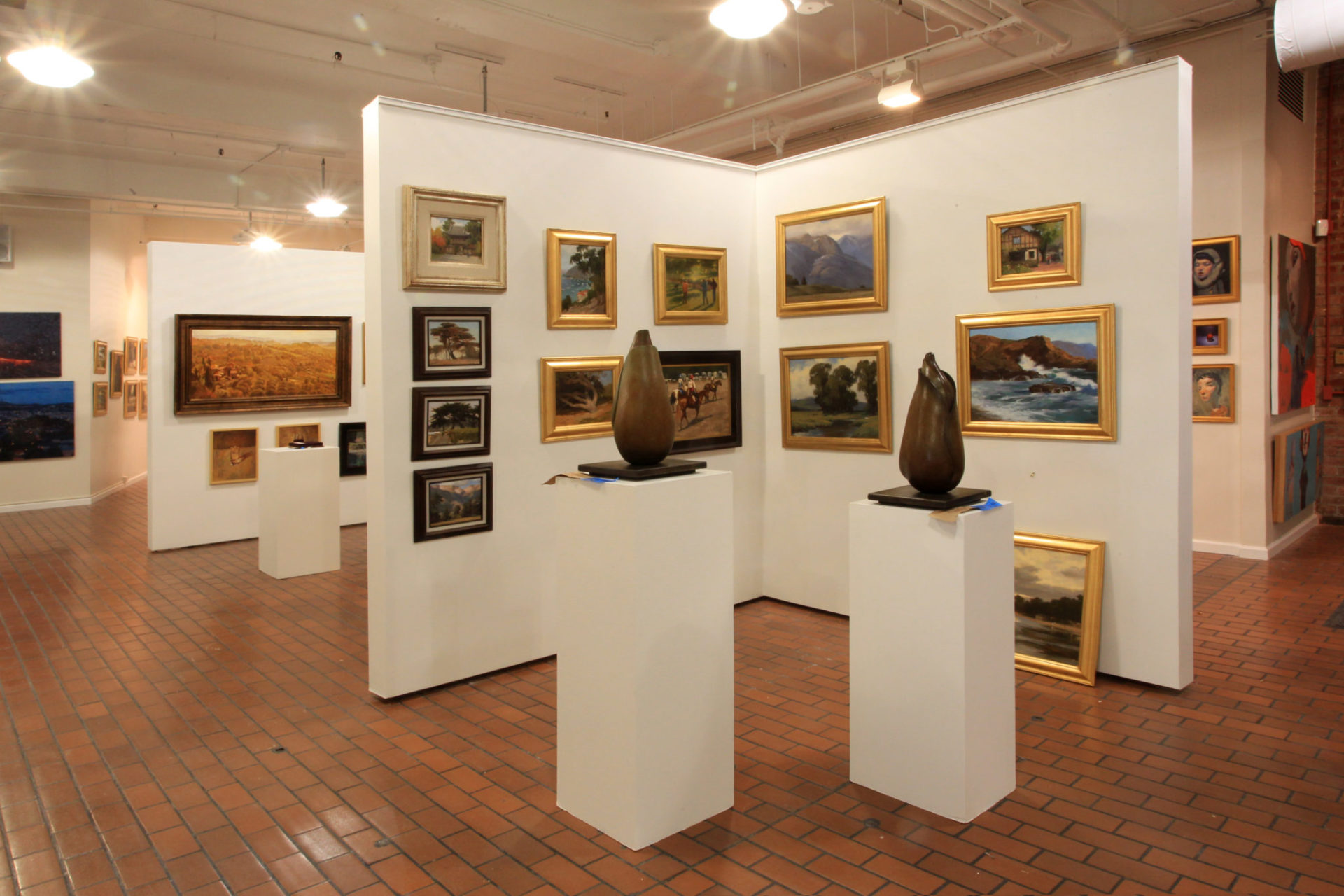
Partners Lawrence R. Luhring and Ronald J. Augustine based the Luhring Augustine Gallery in 1985. The primary focus of the gallery is to highlight one of the best assortment of Contemporary art from local and international masters as well as up and coming talent. When it comes to fine art, Evelyn Aimis is aware of what she is talking about.

Art Galery

On its walls, you presumably can expect to come back across the works of established artists similar to photographer Lucien Hervé or painter Alexandre Hollan and rising skills similar to Tinka Pittoors or David Décamp. Gladstoneis a significant gallery dedicated to contemporary art, based by Barbara Gladstone in each New York and Brussels. It exhibits the work of greater Picture of Arts than 35 major worldwide artists such as Kasper Bosmans and Shirin Neshat, alongside work by rising artists. Alice Art Gallery is considered one of the largest privately owned galleries in Africa with a great reputation regionally and internationally. The gallery focuses on South African artists and represent over a hundred artist with 4000 artworks.